

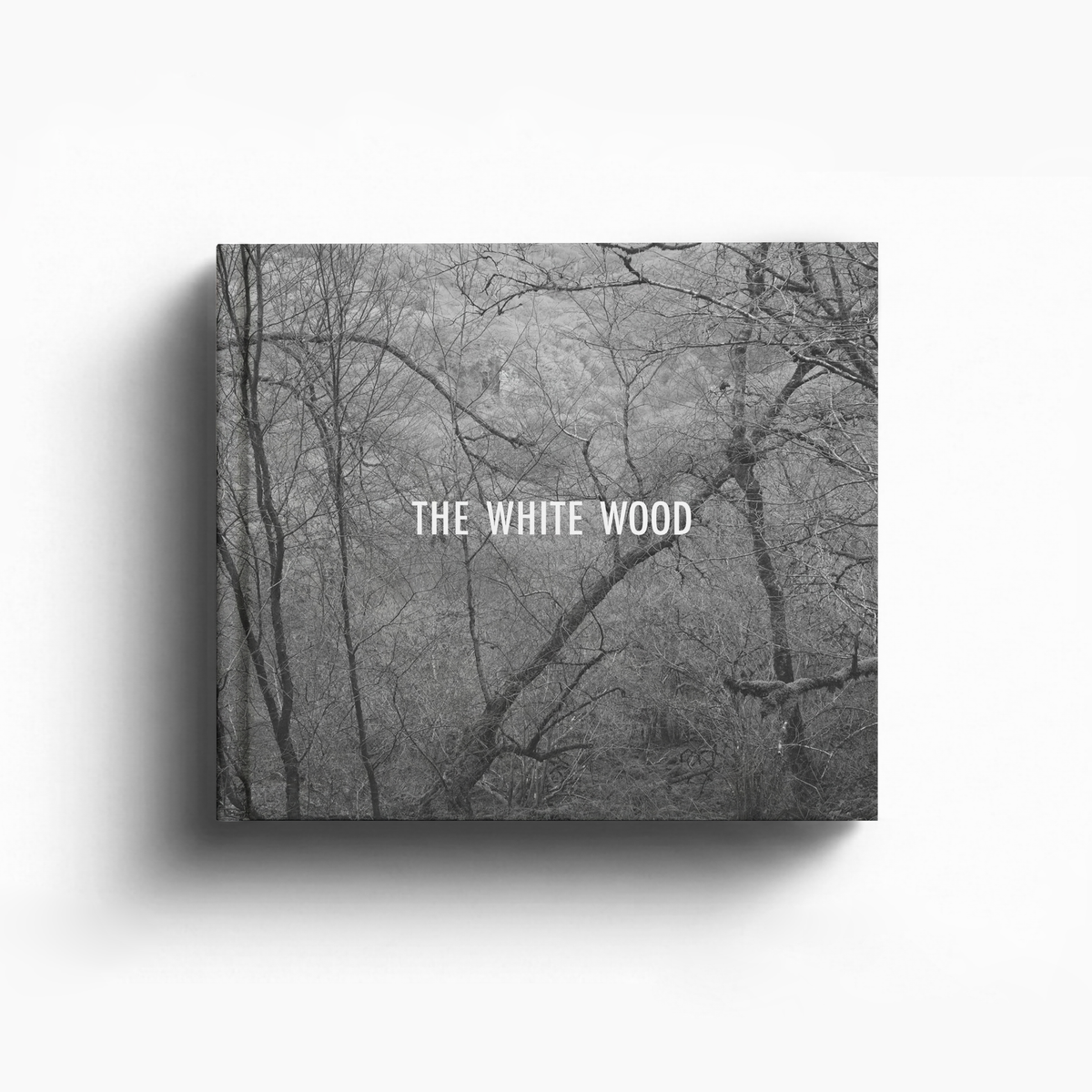

The White Wood
First Edition
Hardcover
84 pages
Signed
ISBN: 9781918715057
raft is proud to present The White Wood by Andrew Nadolski.
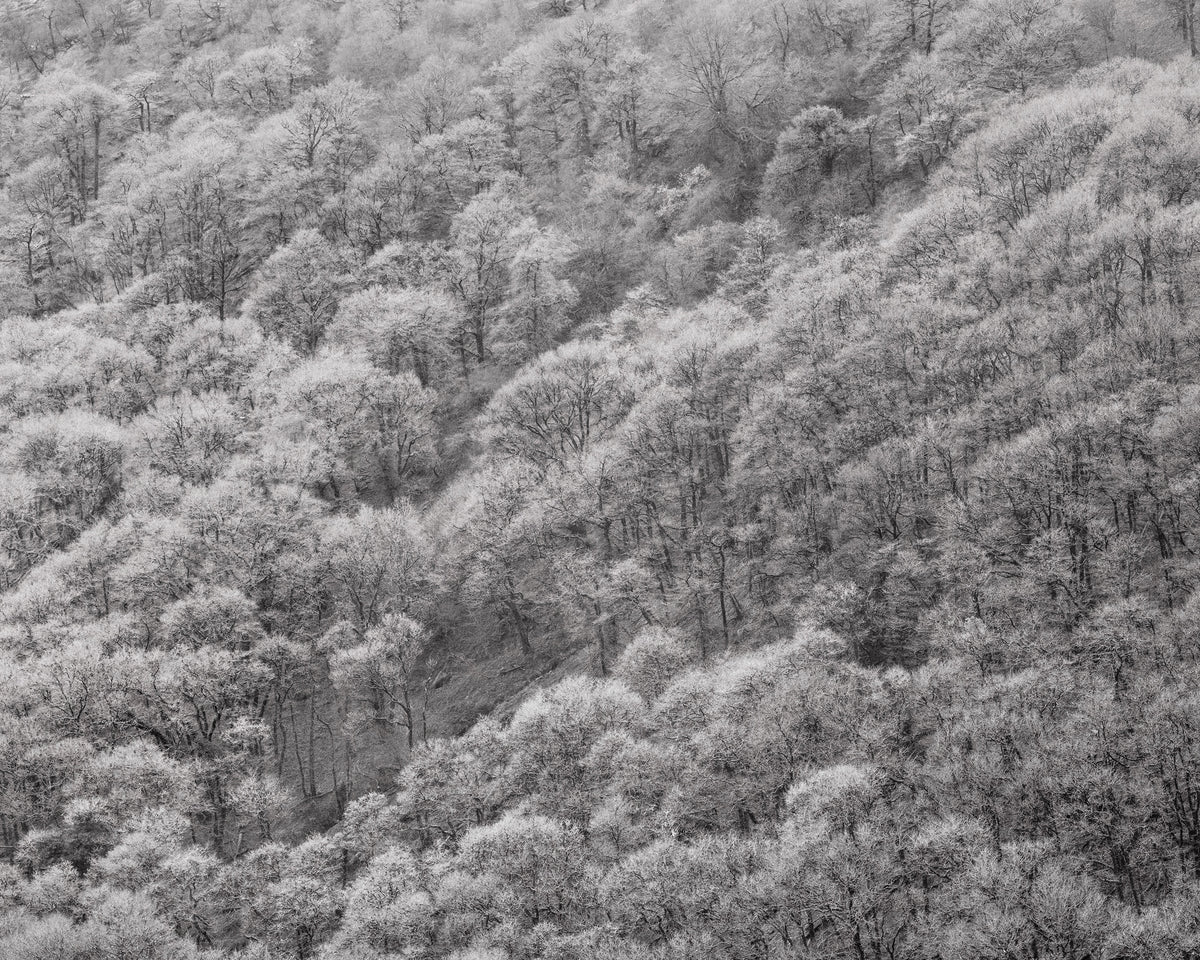
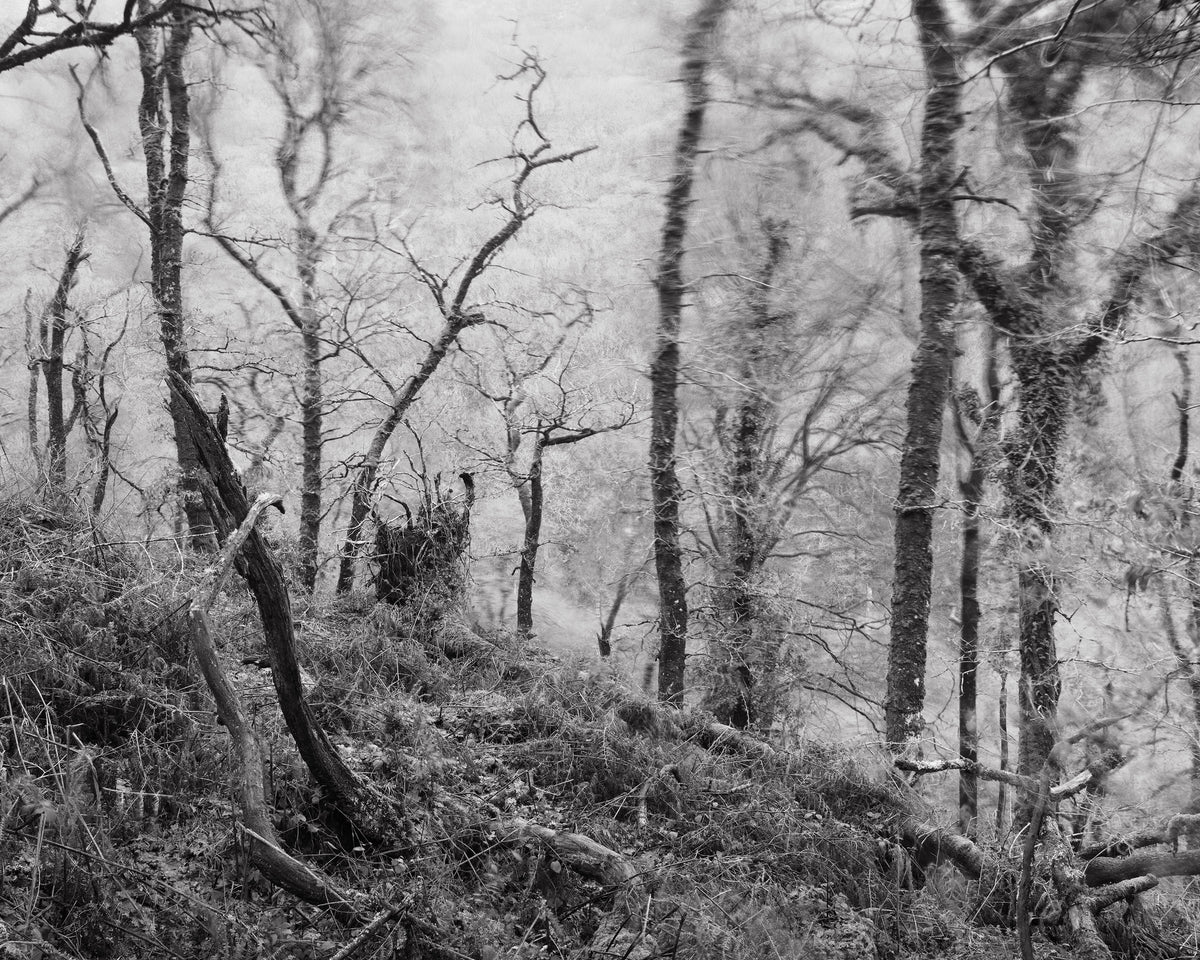
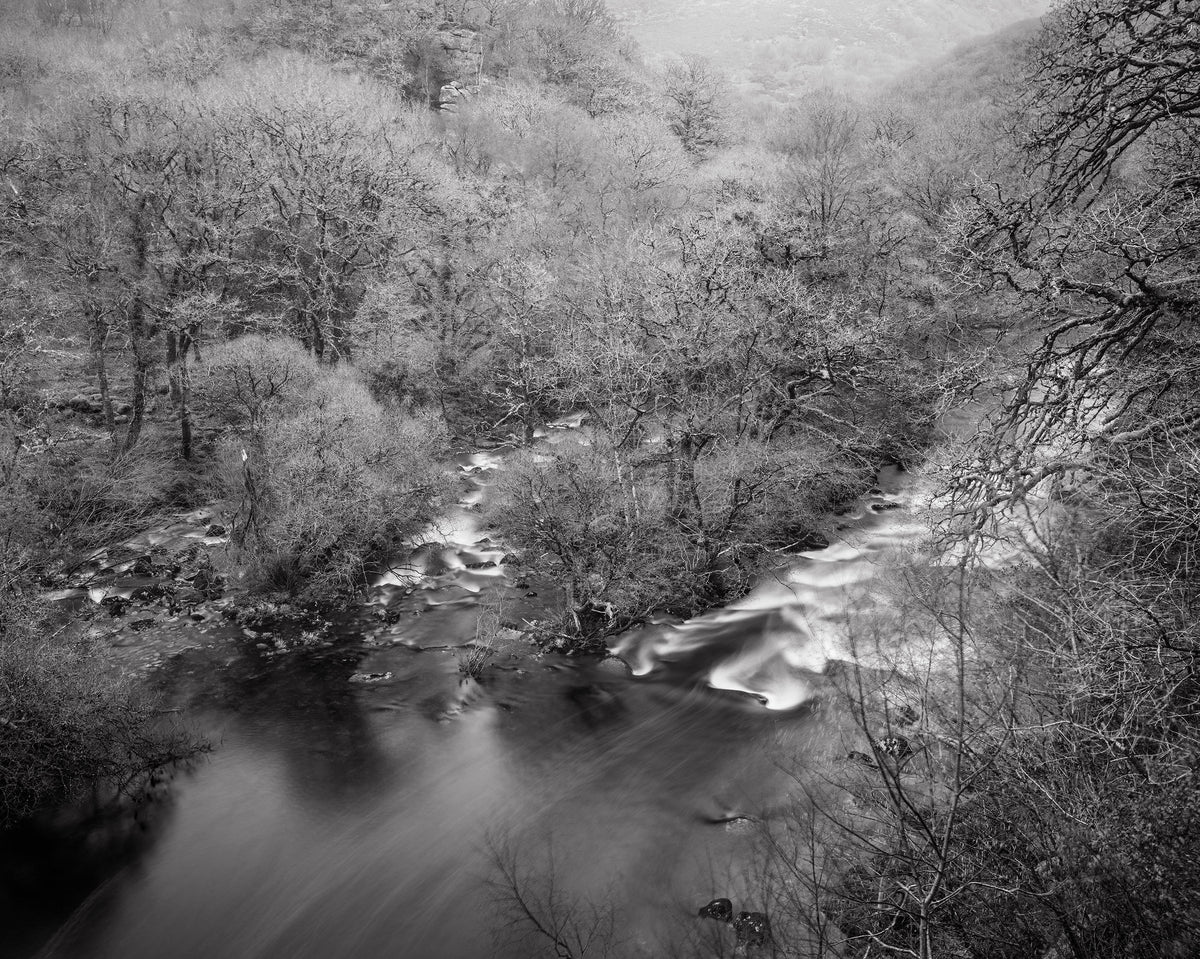
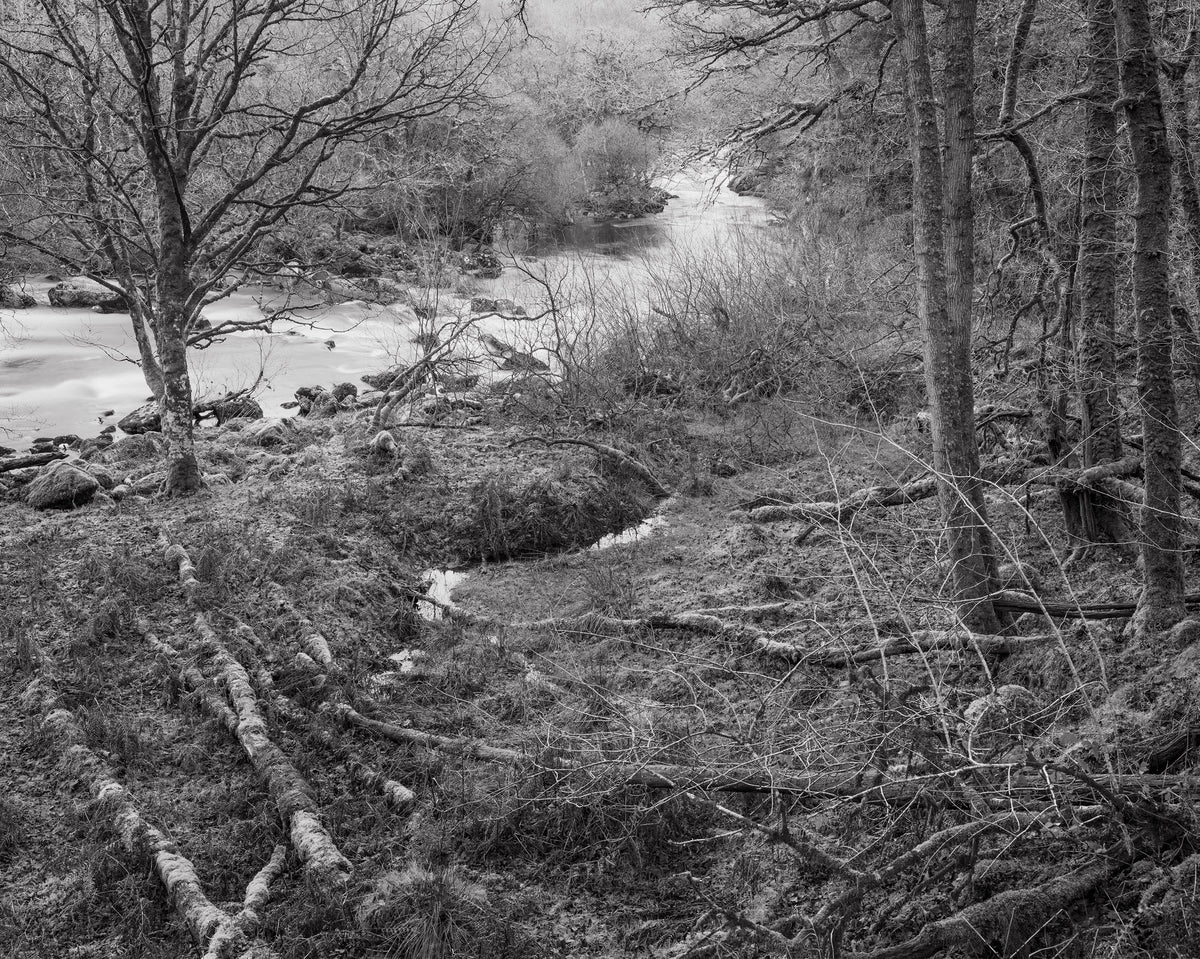
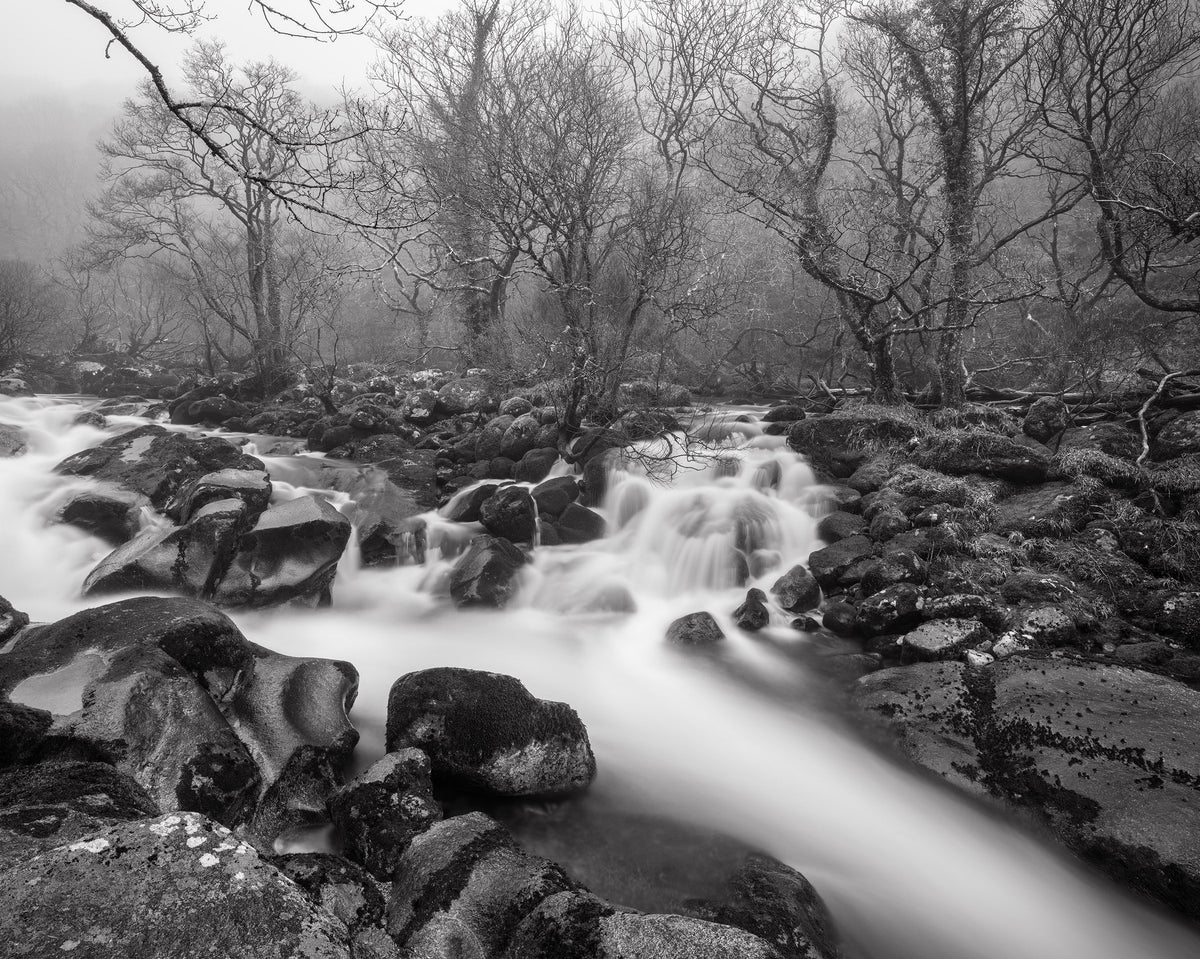
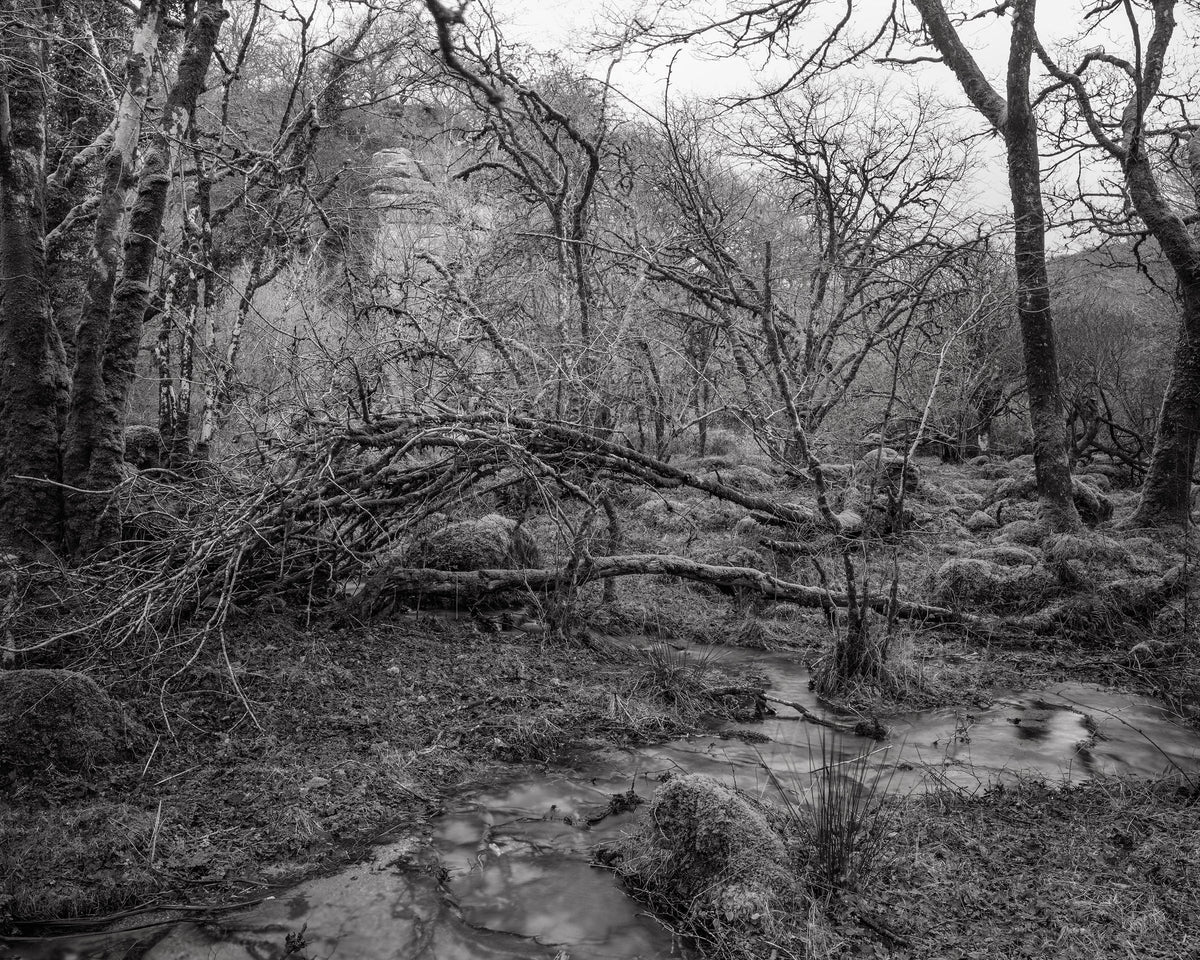
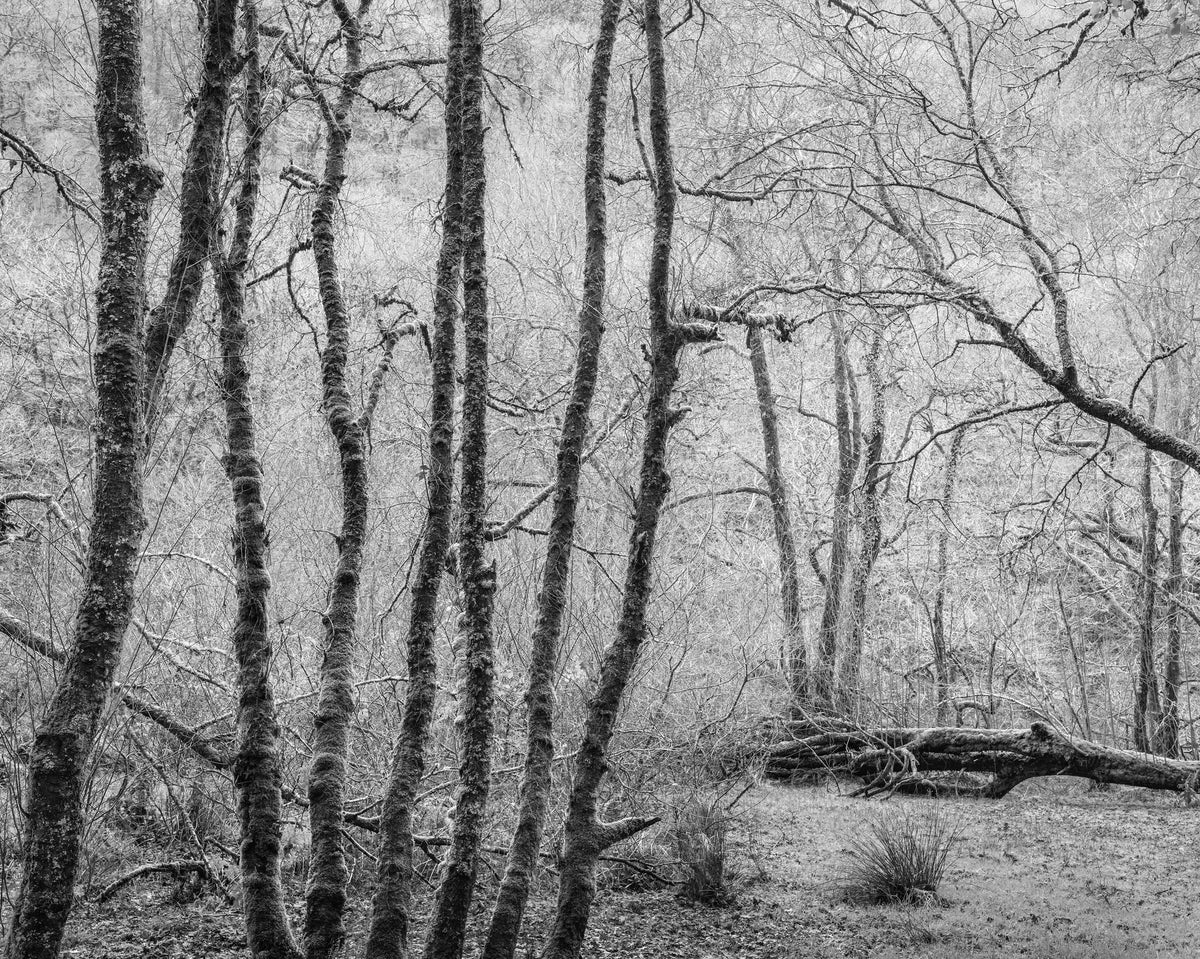
The White Wood is a photographic study of an ancient woodland valley on the edge of Dartmoor, exploring how a landscape reveals its complexity through time, repeated observation and experience. Created over more than a decade within an area of less than one square mile, the work moves beyond the search for a single defining landscape image to examine the relationships between trees, granite, the River Dart and the unseen ecological systems beneath the forest floor. At the same time, the valley becomes a place of memory and myth, inviting questions about human history, mortality and our enduring need to understand the landscapes we inhabit.
“Raft is delighted to be publishing a new book by Andrew Nadolski, having followed the development of this body of work for many years.
The photographs in The White Wood are exquisite and the narrative structure of the whole work is imaginatively and thoughtfully crafted.” — Jem Southam
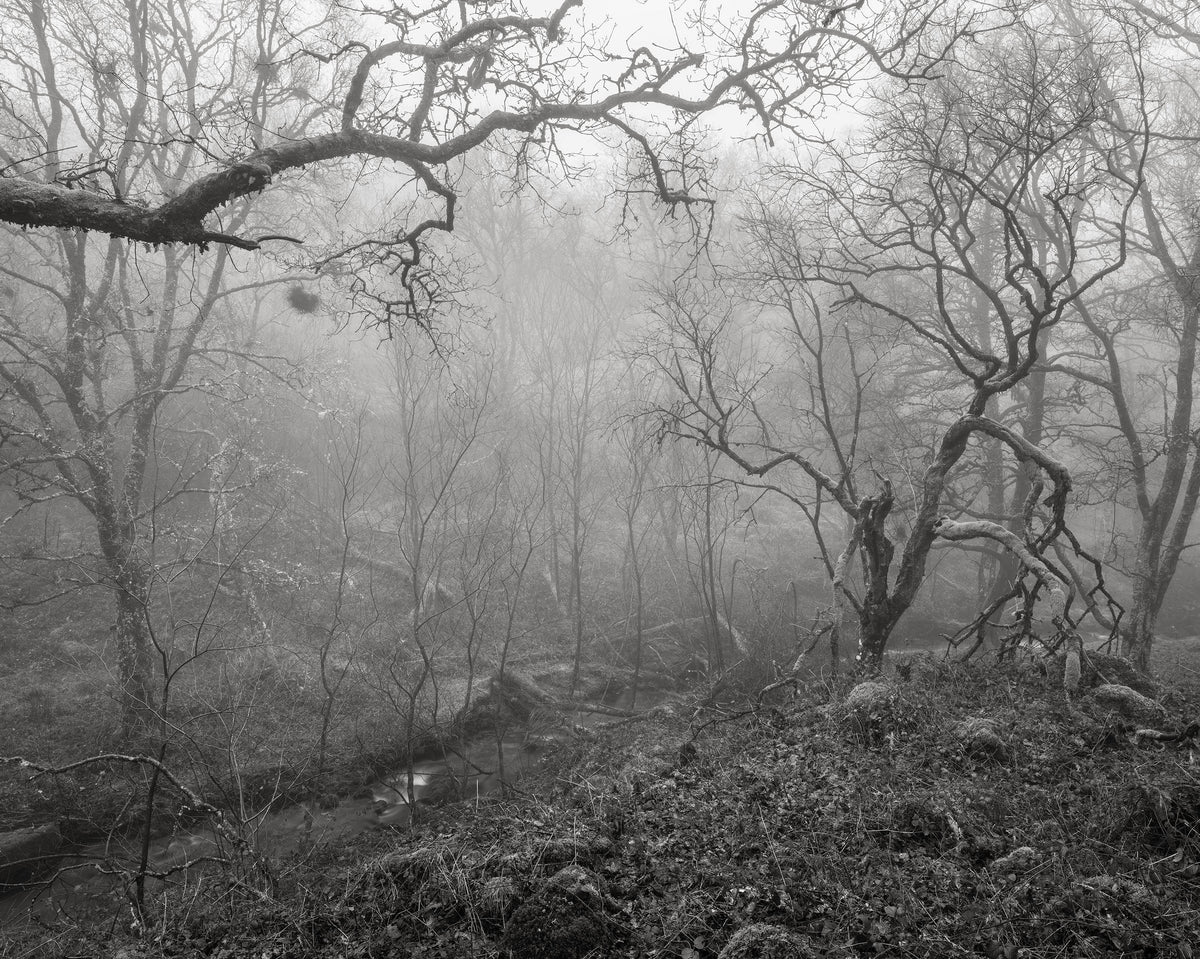
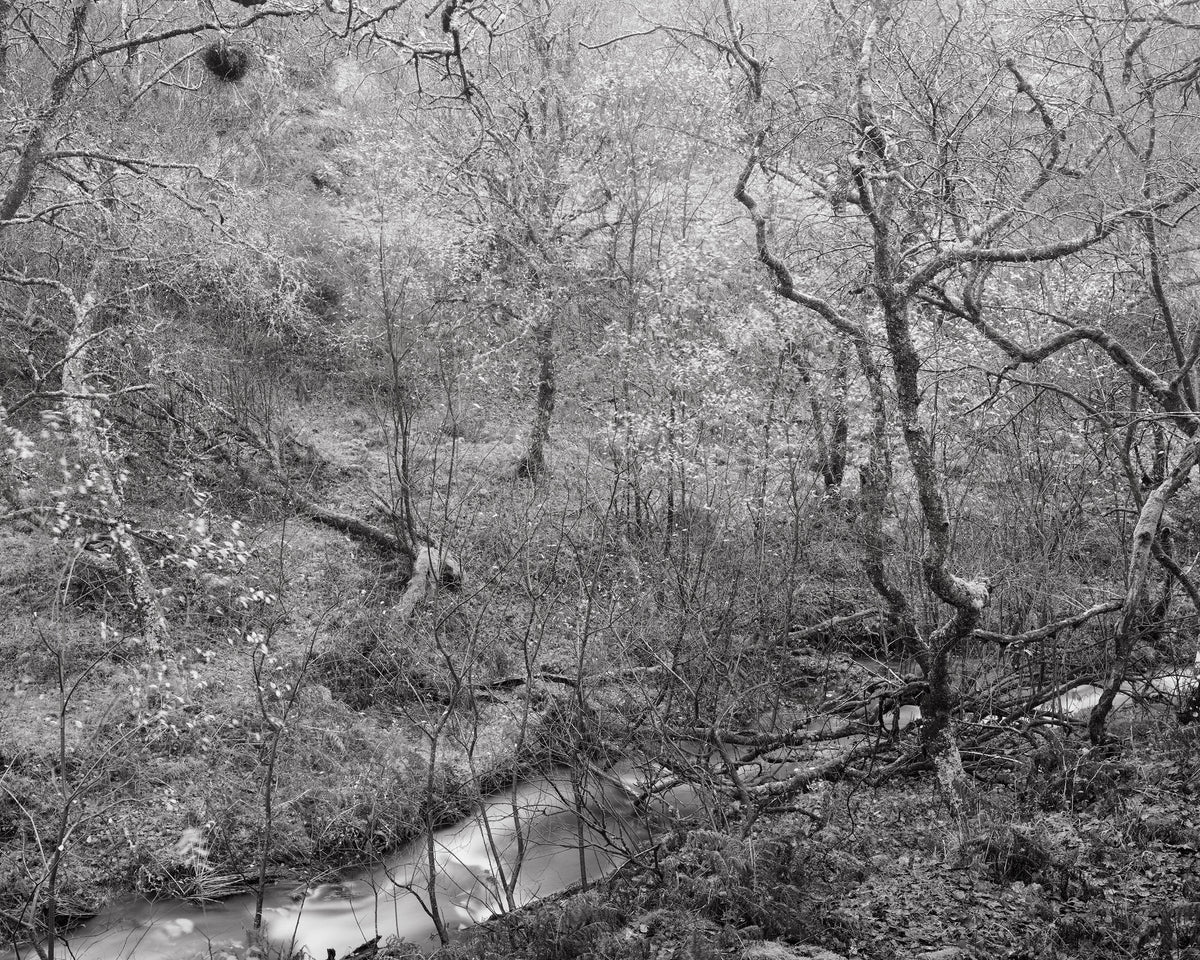
The White Wood lies within the Dart Valley, where the River Dart moves through steep wooded slopes. The woodland is part of Britain's rare temperate rainforest, a complex living system in which trees, mosses, lichens, liverworts, fungi and micro-organisms exist in intricate relationships. Its richness exists both above and below ground: in the visible architecture of branches and roots, and in unseen networks beneath the forest floor.
The photographs were made exclusively in the depths of winter, when the absence of foliage reveals the underlying structures of the woodland and exposes relationships between trees, stone, water and organic growth. The book is structured around a descent from the openness of the moor into the enclosed world of the valley, where visible and unseen worlds exist alongside one another.
The conditions in which the photographs were made become part of the images themselves. Rain, mist and wind are recorded rather than simply encountered. Long exposures hold movement and stillness simultaneously: areas exposed to the wind dissolve into traces of motion while sheltered forms retain remarkable clarity and detail. The resulting images contain layers of time and experience, mirroring the layered nature of the landscape itself.
The work continues the tradition of landscape photography while approaching the subject from a more immersive and contemplative perspective. There is an echo of the nineteenth-century American landscape photographers Carleton Watkins and Timothy H. O'Sullivan, who used photography as a means of survey and record, photographing landscapes before they had entered the cultural imagination of a wider audience. Their photographs helped make those landscapes visible. There is also a connection with John Blakemore's layered photographic constructions, in which multiple exposures and found elements accumulate forms, textures and tonal relationships within a single image.
The White Wood presents Dartmoor not as a fixed landscape but as a living process: a place where growth, collapse and renewal occur continuously, shaped by forces that began long before us and will continue long after we are gone.
Andrew Nadolski (born 1964) built a successful career as a commercial designer and photographer while maintaining a continuing personal practice focused on long-term documentary and landscape bodies of work.
In 2024 he stepped away from commercial work to concentrate on his own photographic practice, while also collaborating with other photographers on the development and production of their books.
His first major landscape project, The End of the Land, was published as a book in 2005 with a foreword by Tim Smit, creator of the Eden Project. The work had previously been exhibited at the Royal Albert Memorial Museum in Exeter and Derby Museum and Art Gallery, and following publication toured to museums and galleries across Britain, including Canterbury Museum, Worthing Museum and Art Gallery, The Mercer Art Gallery in Harrogate, Hartlepool Art Gallery and Northampton Museum and Art Gallery.
The work received national press coverage and was featured in publications including the British Journal of Photography, Amateur Photographer and Outdoor Photography. A full-page feature in The Times T2 supplement included a review by photography critic Joanna Pitman "Nadolski has shown himself to be a perceptive observer of the landscapes most subtle variations, each shot personal, pure and self-contained."
in The Daily Telegraph by Sebastian Smee noted:
"Andrew Nadolski's poignant photographs of a Cornish beach make art from the passing of time."
30 day returns, please see Return Policy for full details
Orders containing pre-orders will be shipped when all items are available
Choose options